


Icelandic: An Ancient Language From the Land of Ice and Fire
Modern Icelanders can still read 800-year-old Viking sagas with relatively little difficulty. Shaped by a strong tradition of literature and storytelling on a geographically isolated island, Icelandic has changed so little that it still resembles Old Norse. Yet life in Iceland is vibrantly modern and set against a jaw-dropping landscape.
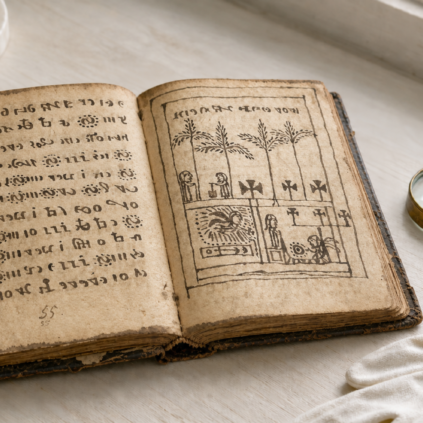
The Rohonc Codex: Europe’s Mysterious 16th-Century Manuscript
A small, illustrated manuscript containing nearly 450 pages has sat silent for nearly two centuries, because no one can read it. We do not know who wrote it. We do not know what language it represents. We do not even know if it contains a language at all.
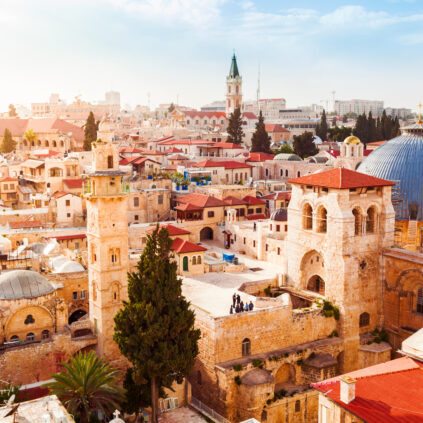
The Hebrew Language: A History of Language, People and the Holy Land
Most languages evolve through contact with another within one general region. Hebrew had a different path. Its speakers were conquered, dispersed across continents and absorbed into societies speaking dozens of other languages. The story of its revival and its speakers’ return to the Holy Land is a complex saga deeply rooted in differences in religion, culture, language and social status.
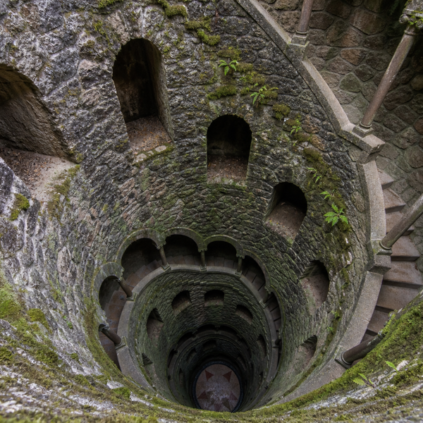
Portuguese: The Language of a Maritime Trading Empire
Portugal has always been a small country. Yet for several centuries, it commanded one of the world’s most powerful empires. The kingdom built an enormous global trading network, supported by a formidable seafaring fleet that transported goods and people, and established the Portuguese language across several continents.
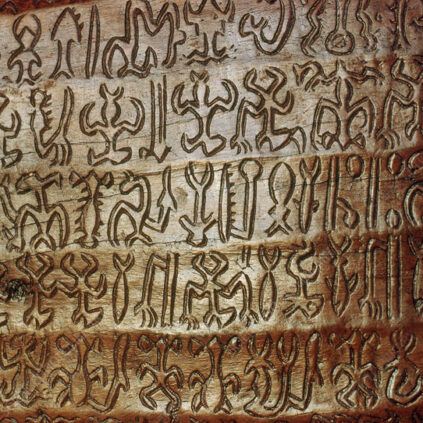
Rongorongo: The Lost Script of Rapa Nui
On Rapa Nui, a handful of wooden tablets preserve rows of carved signs. We know they were meaningful. We know they followed rules. We may even have evidence that the system predates European contact. But its readers have disappeared.
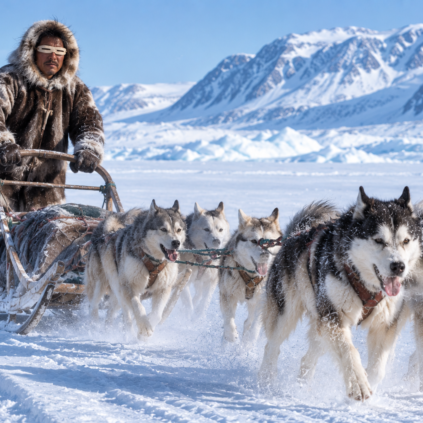
The Inuit: Languages and People of Arctic Canada
In Inuit Nunangat, the broad swathe of land and ice across Arctic Canada, language and community life have been shaped by one of the most demanding environments on Earth. Inuit languages of Canada, alongside remote traditions and unique knowledge, made life in the Arctic possible. Yet, despite the damage caused by past government policies, Inuit communities continue to preserve their language and culture and to adapt their traditions in parallel to modern life as it evolves thousands of miles away along the densely populated southern border of the country.

Catalan: From Medieval Kingdoms to Modern Europe
Catalan is the language of Catalonia in Spain. It is not a dialect of Spanish. It is a distinct language that stemmed from Vulgar Latin, influenced by French and later also by Spanish. It developed along its own linguistic trajectory. Spoken across four countries in several regional varieties, it has endured through political suppression, institutional revival and a continuing debate over its place beside Spanish.
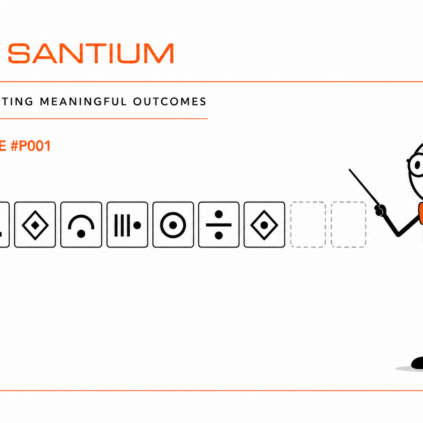
Weekend Linguistic Challenge: Designing a Symbol Translation Task
What happens when a child is asked to learn a language through meaningless symbols, remember their assigned meaning, and then combine them to “read” a sentence? Except there is a problem: the sentence structure belongs to a different language.
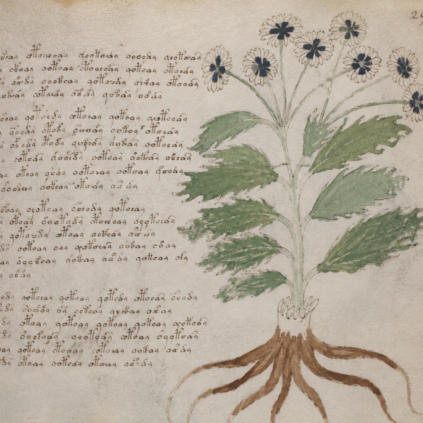
The Voynich Manuscript: An encrypted alchemy codex or a diary written in a lost language?
A beautiful and bizarre 15th century manuscript of uncertain origin, contains more than two hundred pages filled with an unknown script, strange plants, astronomical diagrams, bathing figures, anatomy-like drawings, and what looks like recipes or pharmaceutical instructions. Six centuries later, it remains unread, waiting in Yale University’s Beinecke Rare Book & Manuscript Library, catalogued as MS 408 and available for anyone to examine.

Sign Languages: Soundless Visuospatial Systems
Sign language is iconic, physical and often intensely expressive to convey meaning without sound. It is not a visual representation of its homeland’s spoken language. Sign languages are fully developed natural communication systems with their own grammar and cultural context.


